What Claude Cowork, New Plugins, and Sonar-Style Analysis Tools Say About the Future of Software
IT services stocks moved when Anthropic announced Claude Cowork and its plugins. Here's what these tools and Sonar-style analyzers actually automate, and why that spooked the outsourcing model.
 Vanshit Patel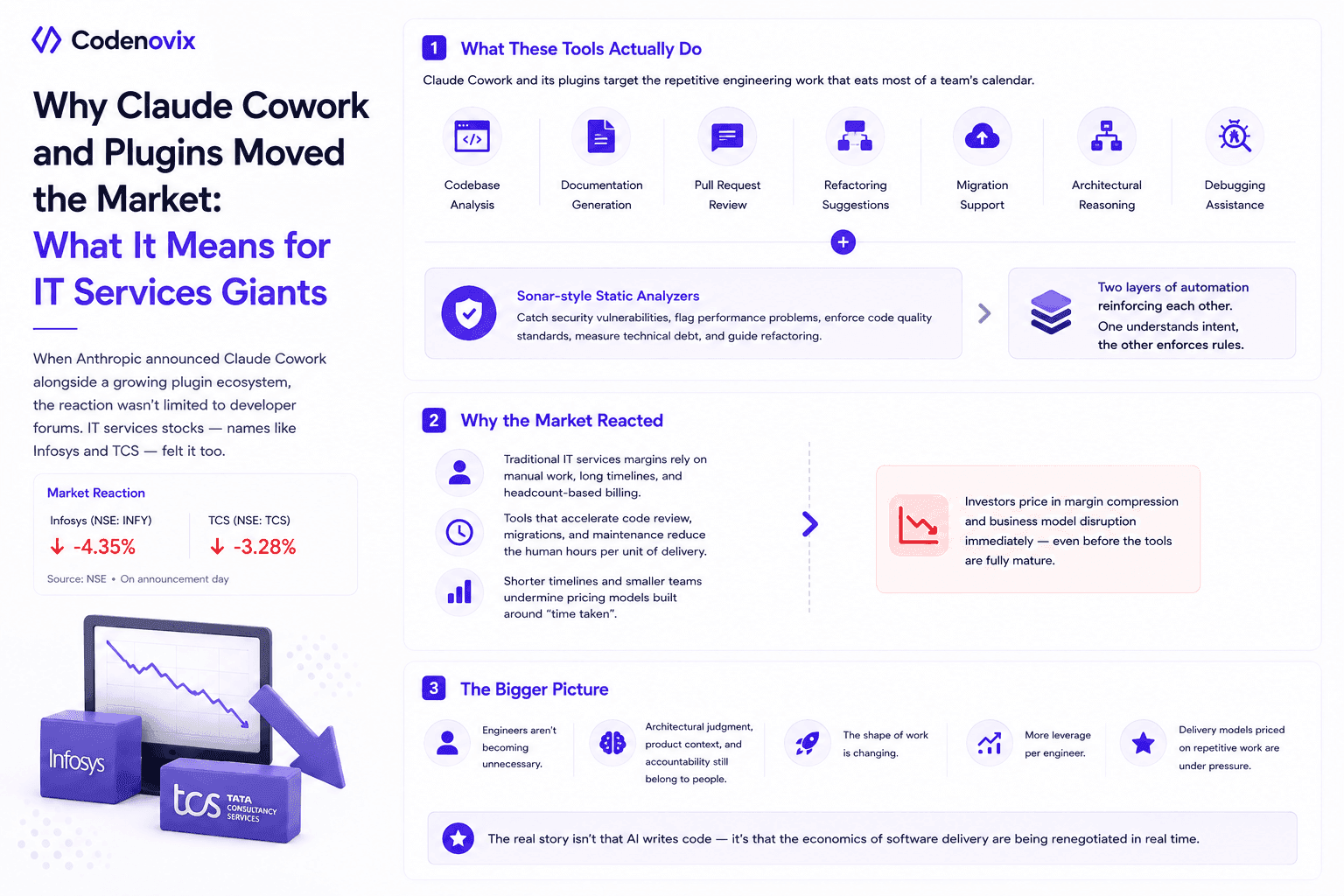
When Anthropic announced Claude Cowork alongside a growing plugin ecosystem, the reaction wasn't limited to developer forums. IT services stocks — names like Infosys and TCS — felt it too. That kind of market response is worth looking at past the headlines, because it says something concrete about where software delivery work is heading.
What These Tools Actually Do
Claude Cowork and its plugins aren't aimed at one narrow task. They target the repetitive engineering work that eats most of a team's calendar: codebase analysis, documentation generation, pull request review, refactoring suggestions, migration support, architectural reasoning, and debugging assistance.
Pair that with Sonar-style static analyzers — tools built to catch security vulnerabilities, flag performance problems, enforce code quality standards, measure technical debt, and guide refactoring — and you get two different layers of automation reinforcing each other: one understands intent and context, the other enforces rules at scale.
Why the Market Reacted
Traditional IT services margins are built on a fairly predictable model: manual coding, human-driven testing, long migration projects, and ongoing maintenance contracts billed by the hour or the headcount. That model assumes a certain amount of human time is unavoidable per unit of delivered software.
Tools that meaningfully accelerate code review, migrations, and maintenance work chip away at that assumption. If a migration that used to need a team of engineers over several months can be substantially compressed, the billing model built around that timeline gets harder to defend — which is exactly the kind of thing investors price in immediately, even before the tooling is fully mature.
The Bigger Picture
None of this means engineers become unnecessary. Architectural judgment, product context, and accountability for what ships still sit with people. What's changing is the shape of the work: less time on repetitive, well-understood tasks, more leverage per engineer, and pressure on delivery models that were priced around how long that repetitive work used to take.
That's the real story behind the stock movement — not that AI writes code now, but that the economics of software delivery are being renegotiated in real time.
Found this useful?
Share it with the dev community or cross-post with a canonical link back here.
Cross-posting to dev.to or Hashnode? Use this as your canonical URL: https://www.codenovix.com/blog/claude-cowork-plugins-sonar-analysis-future-of-software
Related articles
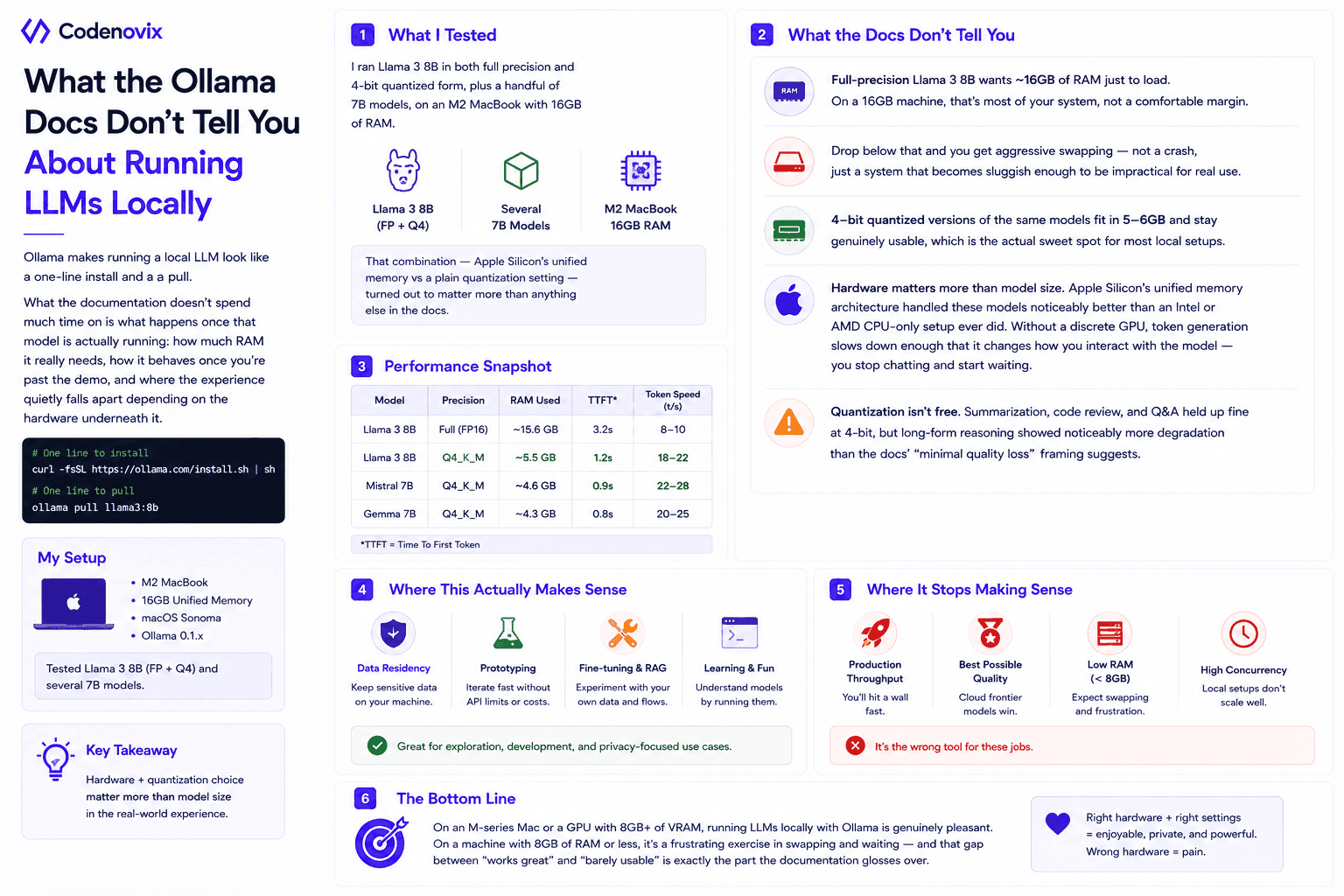
Running LLMs Locally with Ollama: What the Documentation Doesn't Tell You
Ollama's docs cover the install and the pull command. They don't cover the 16GB RAM cliff, the swapping, or why Apple Silicon runs circles around a CPU-only setup.
 Vanshit Patel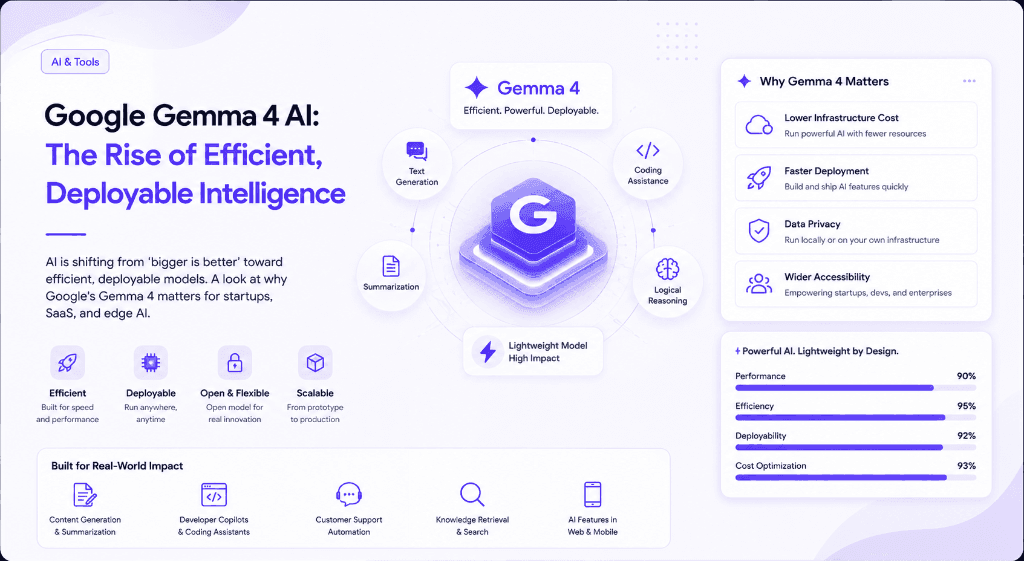
Google Gemma 4 AI: The Rise of Efficient, Deployable Intelligence
AI is shifting from 'bigger is better' toward efficient, deployable models. A look at why Google's Gemma 4 matters for startups, SaaS, and edge AI.
Vanshit Patel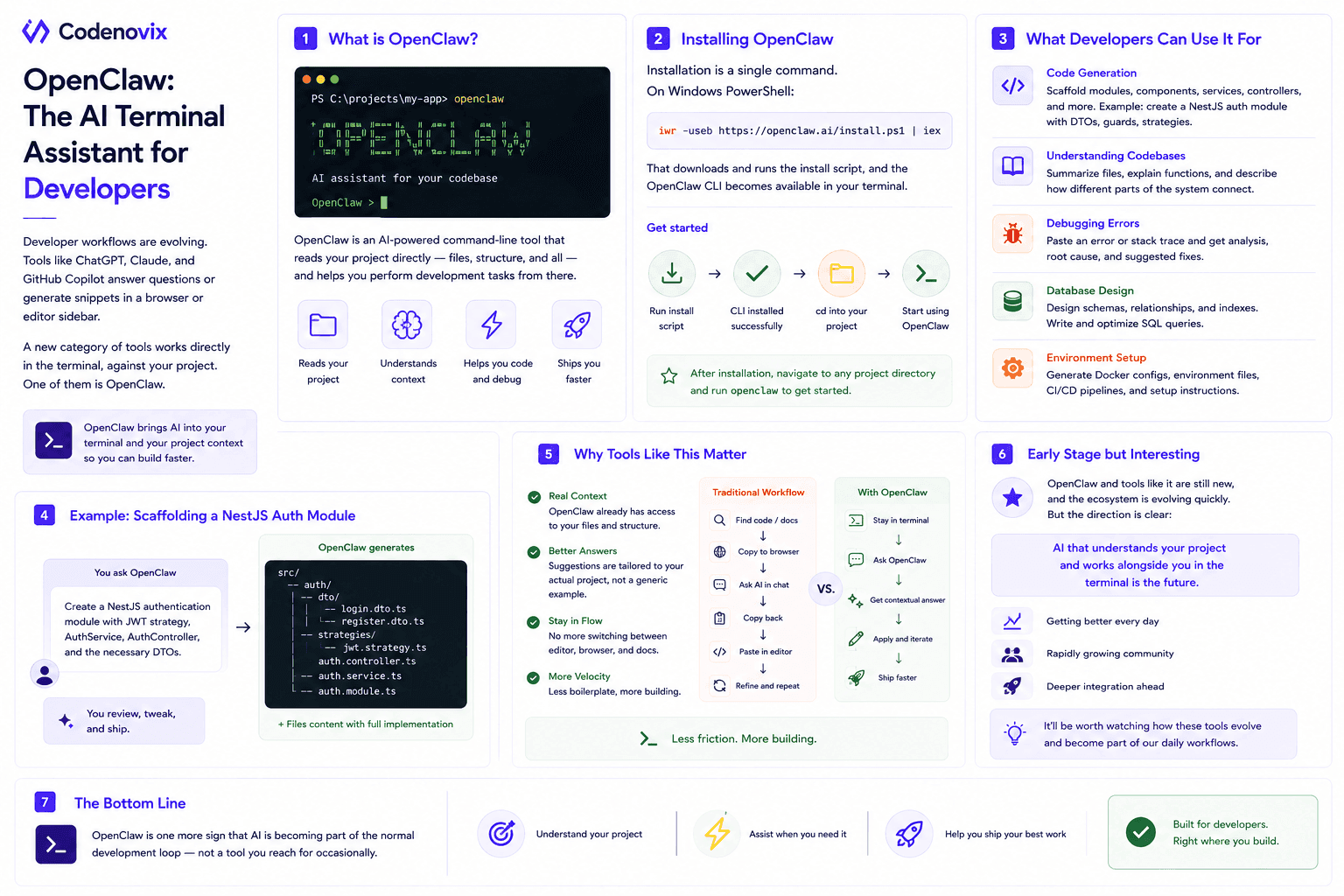
OpenClaw: An AI Developer Assistant That Works From Your Terminal
Most AI tools only understand your project once you paste code into them. A terminal-native assistant already has the files and structure, which is why its suggestions land closer to what you need.
Vanshit Patel